Tuesday 18th-Wednesday 19th – Ishinomaki and Tashirojima
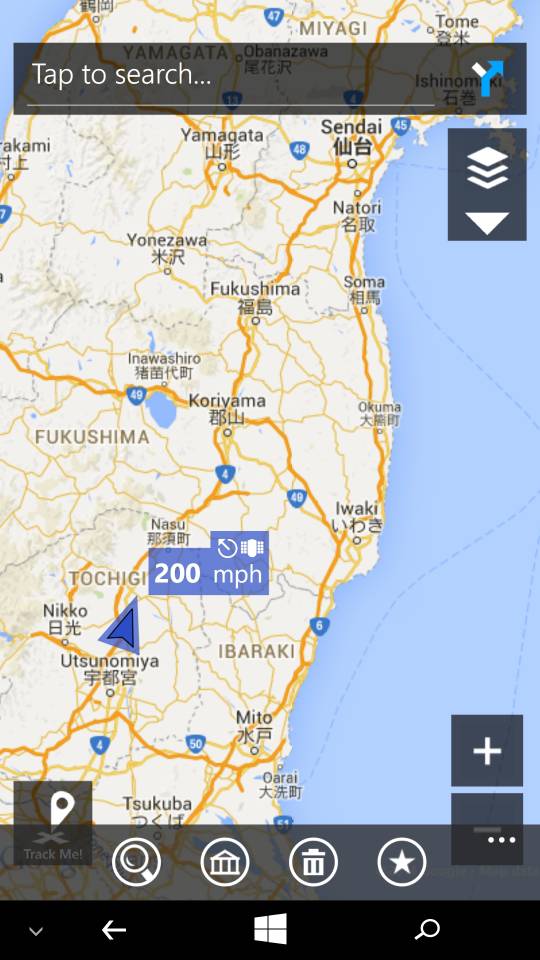
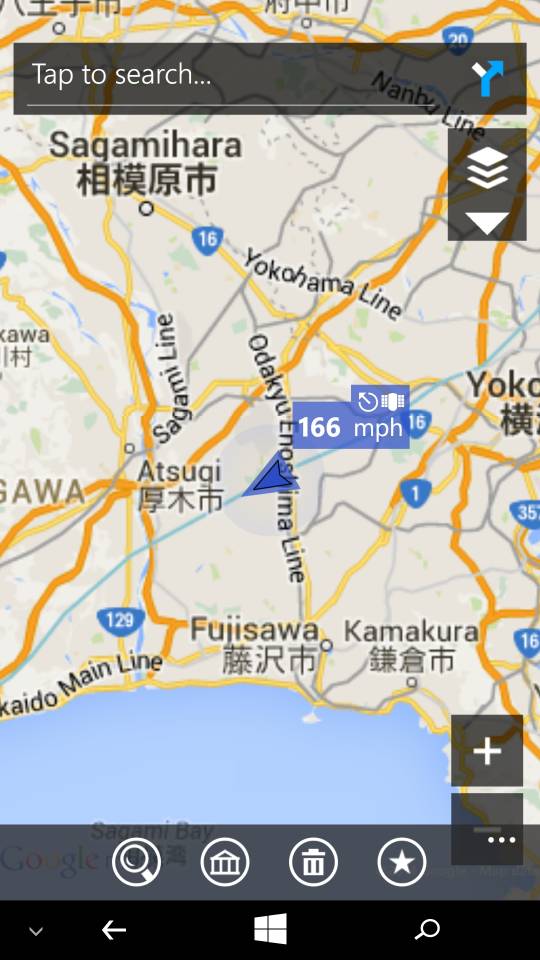
200mph on the shinkansen
Shinkansen (200mph!) to Sendai City, then local train to Ishinomaki.
This city was one of the worst hit during the Tōhoku earthquake and tsunami of 2011. Several tsunami, up to about 10 metres (33 ft) high traveled inland up to 5 kilometres (3.1 mi) from the coast. The tsunami destroyed around 80% of the 700 houses in the coastal port of Ayukawa, and the Kadonowaki neighborhood was largely levelled. Over 3,000 people lost their lives in the city.
The purpose of our visit was threefold: to see the Mangattan Museum, to visit Tashirojima (AKA Cat Island), and to see how the town was recovering from the disaster.
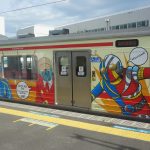
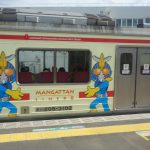
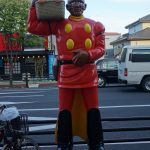
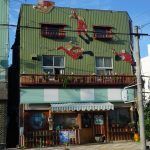
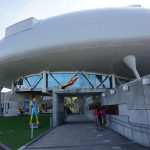
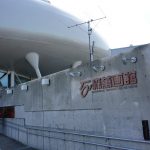
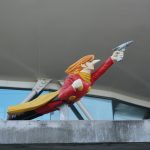
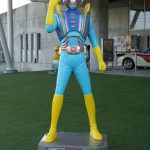
The Mangattan Museum (or Ishinomori Manga Museum) celebrates the work of manga artist and author Shotaro Ishinomori, who was born in what would become the present day Ishinomaki City. Ishinomori is viewed as one of the fathers of modern day manga and anime, and holds the Guinness world record for most prolific comic creator, 770 series publications spanning 120,000 pages! There are statues of his characters throughout the city…
-

- Mangattan train
-
- Mangattan train
-
- Cyborg 005 with Cyborg 001
-
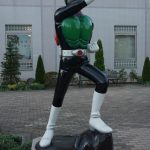
- Kamen Rider
-
- Geek 1 with Cyborg 005
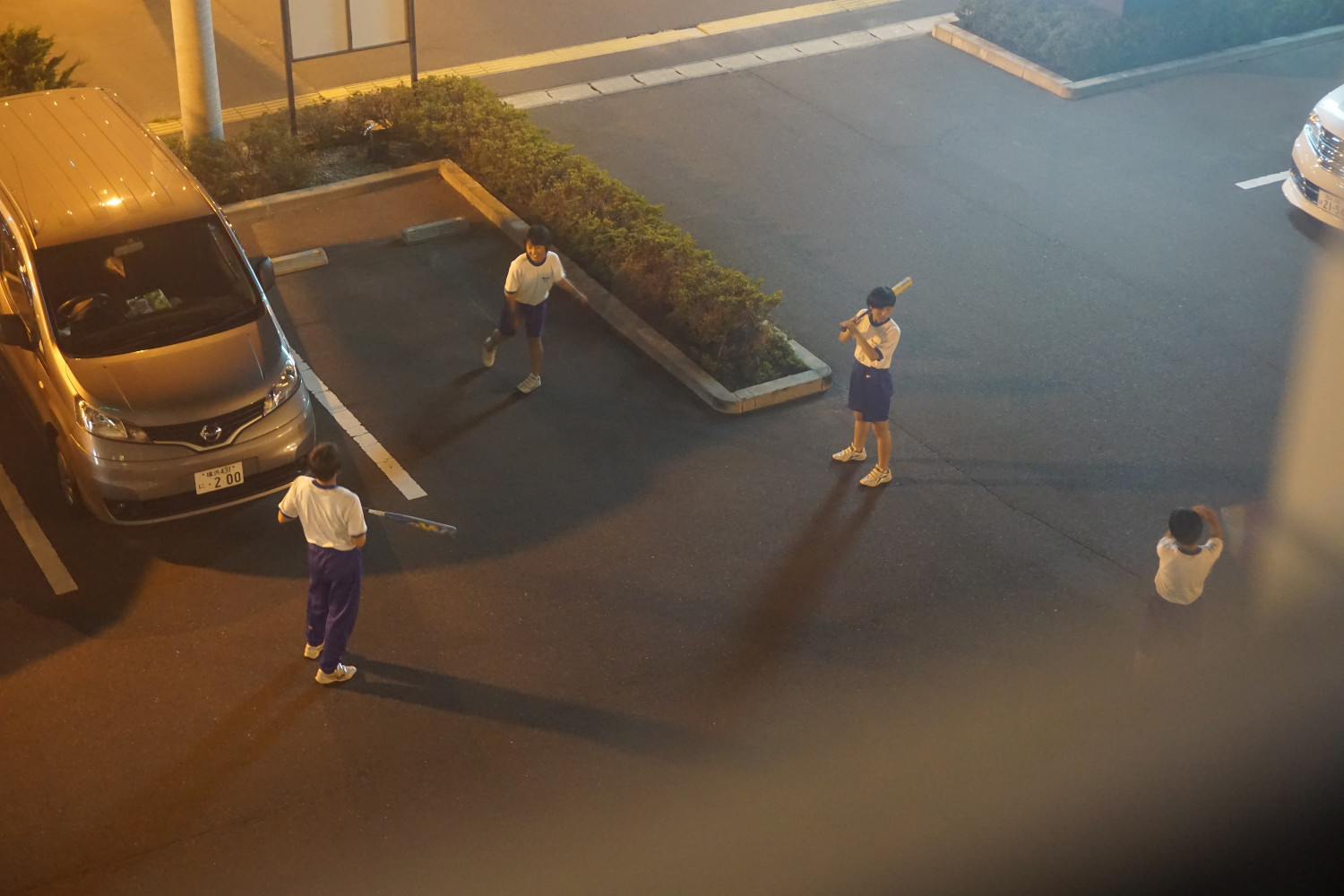
Baseball practice
We stayed in Hebita suburb at the Route Inn Ishinomaki – simple but good business hotel. When we failed to find dinner (or at least a menu with some English on it…) in Ishinomaki, the hotel restaurant proved to have very good Japanese food with at least a partly English menu. Interestingly after dark, a local baseball team were using the hotel car park for batting swing practice.
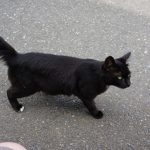
Wednesday morning we headed out early for the port at Ishinomaki, to catch the ferry to Tashirojima. This island has been featured in various articles, as it has more cats than people living on it. In the past the residents of the island raised silkworms for silk, and kept cats to get rid of the mice that were natural predators of the silkworms.
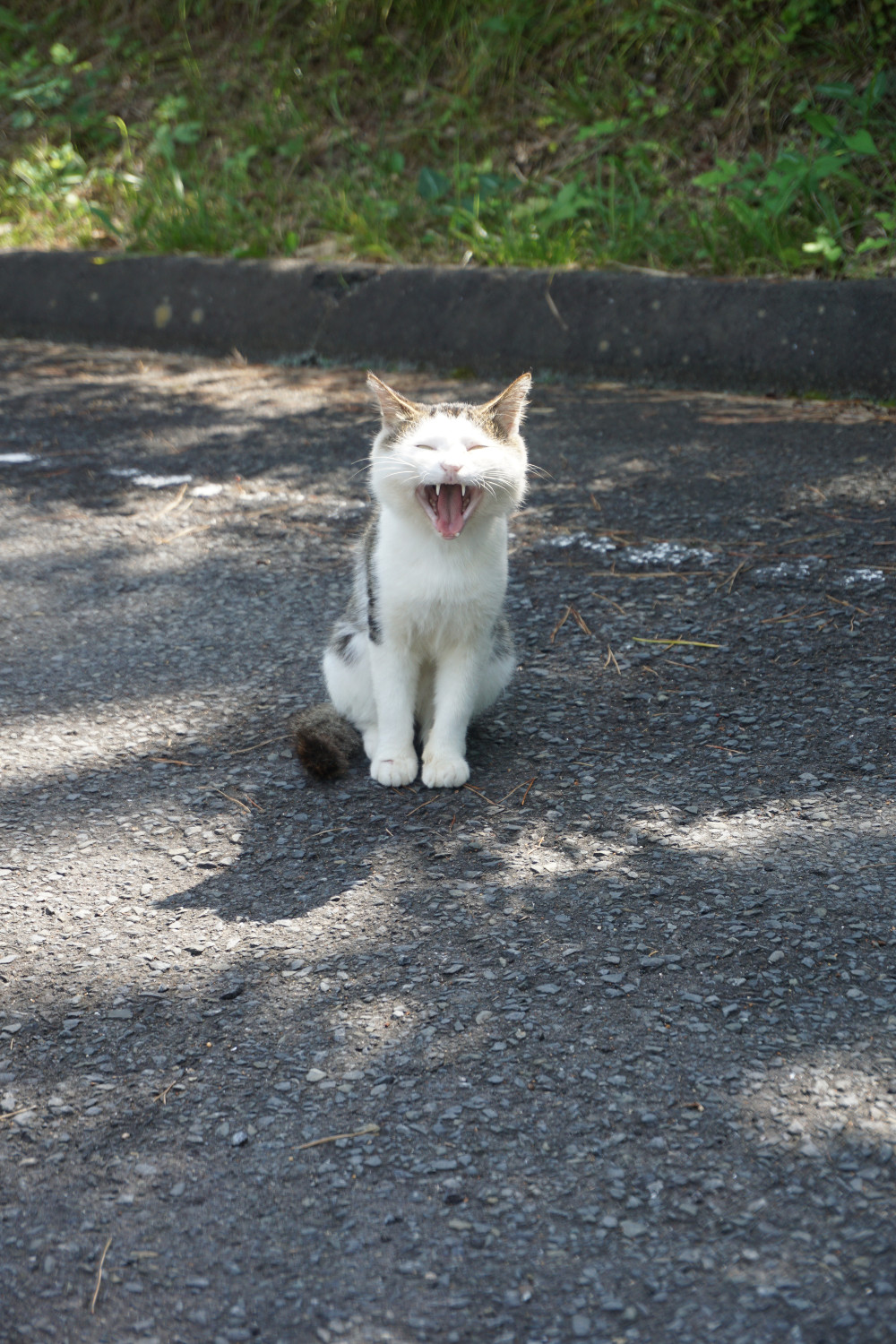
Open wide!
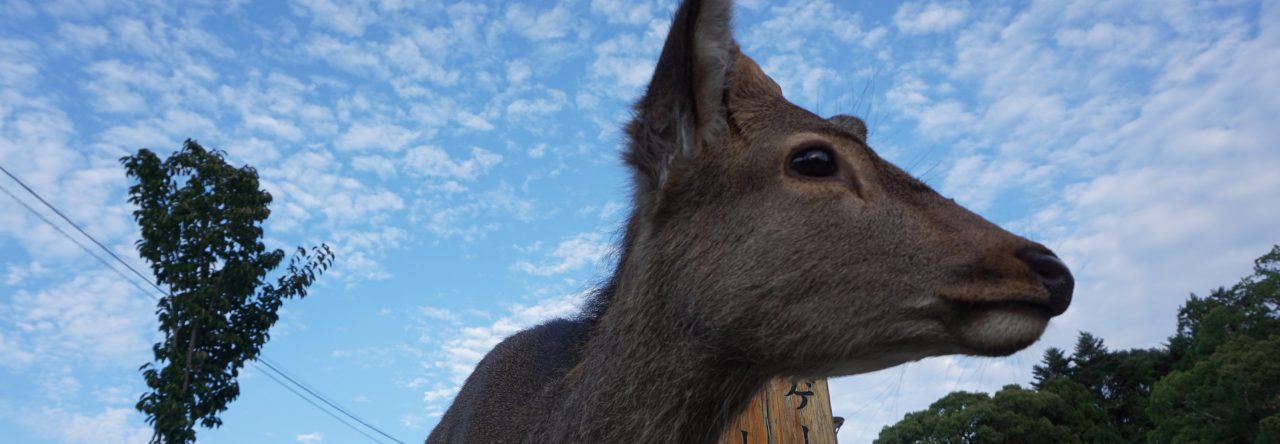
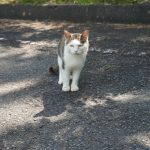
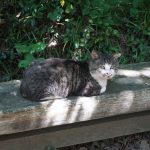
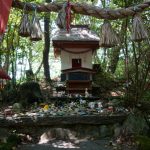
After the Edo period, fishing became the main occupation, and the fisherman looked upon the cats as good luck charms. When one was accidentally killed by a fall of rocks, the fisherman built the cat shrine at the high point of the island. Here’s the first feline inhabitant we encountered:
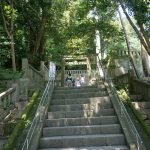
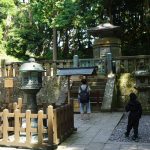
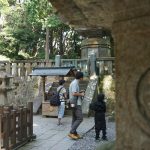
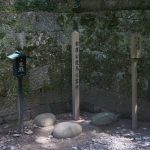
We spent several hours walking the road from Odawara dock down to Nitoda around the island, then on up to the cat shrine. The island is heavily wooded, and we had a continuous serenade from insects in the trees. Before we reached Nitoda we came across the island cemetery, with recent flowers and offerings – the week before was the Obon festival, where many Japanese return to their home towns and honour the spirits of their ancestors.
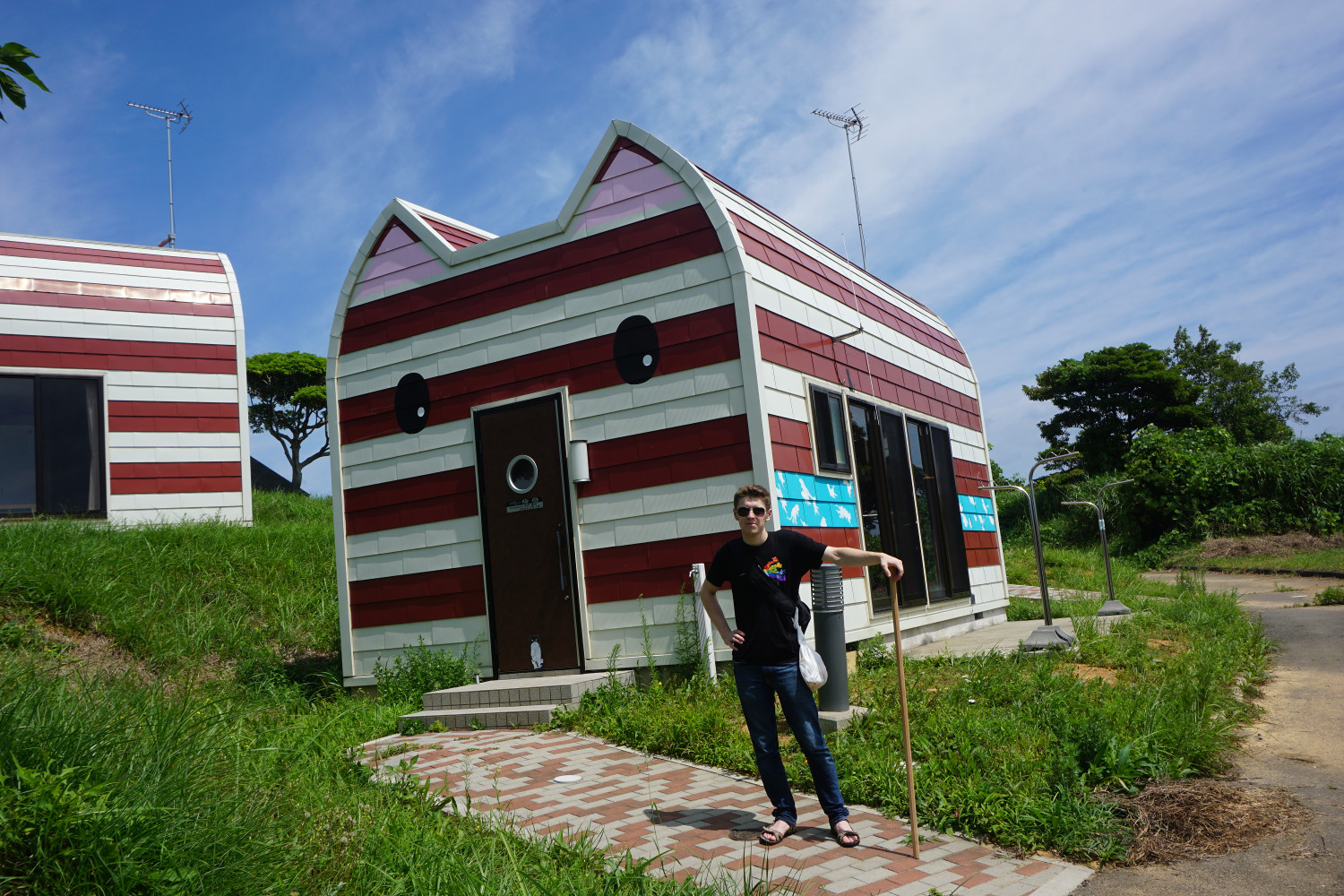
Manga Island
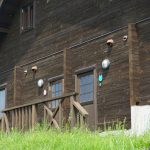
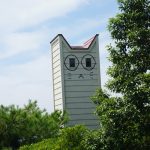
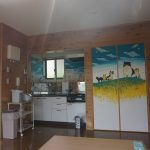
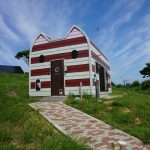
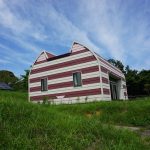
We then found Manga Island – a collection of cat themed houses referencing the manga works of Ishinomori and others, these can be rented to stay on the island.
-
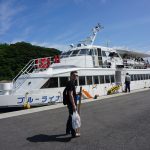
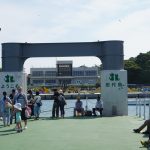
- Ferry terminal
-
- Leaving dock
-
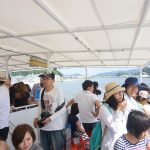
- Fellow travellers
-
- Odawara dock
-
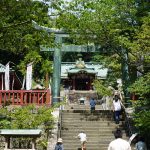
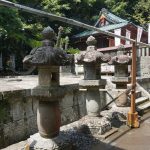
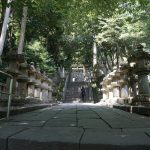
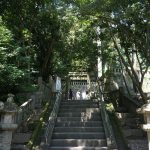
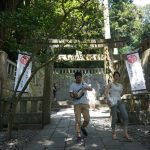
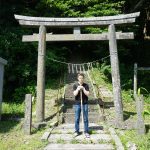
- Stone torii gate
-
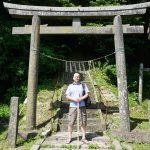
- Stone torii gate
-
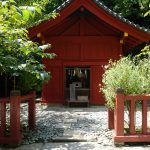
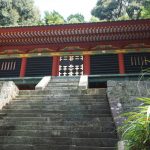
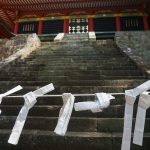
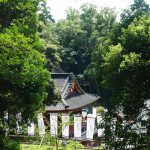
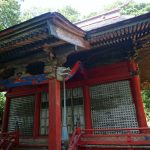
- Small shrine
-
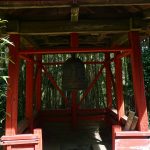
- Shrine bell
-
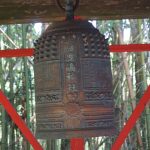
- Shrine bell
-
- First cat!
-
- Open wide!

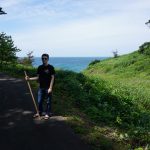
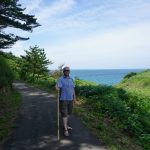
-
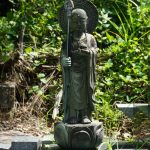
- Cemetery
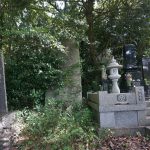
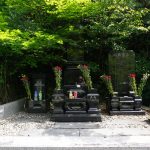
-
- Cat and solar cells

-
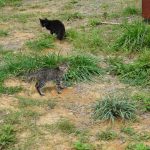
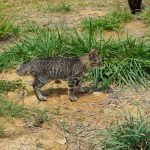
- His and hers
-
- Manga Island

-
- Manga Island
-
- Manga Island – interior
-
- Manga Island
-
- Manga Island
-
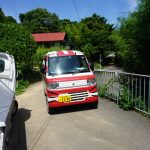
- The cat bus
-
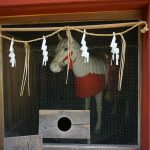
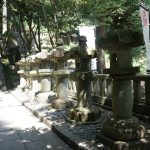
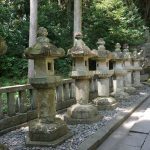
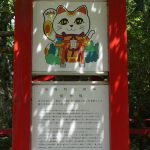
- Cat shrine
-
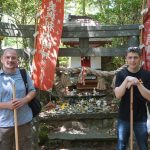
- Cat shrine
-
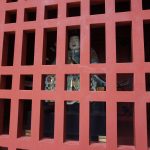
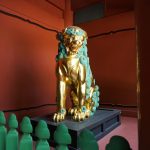
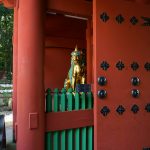
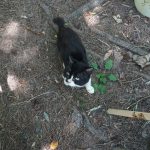
- Guardian cat #1
-
- Guardian cat #2
-
- Cat shrine
-
- Nitoda port
-
- Nitoda port
-
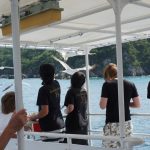
- Fellow travellers feeding seaguls
-
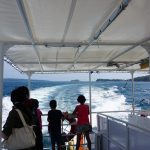
- Farewell Tashirojima
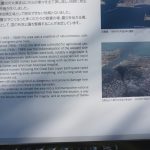
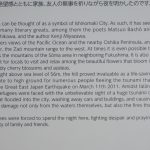
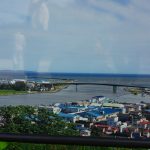
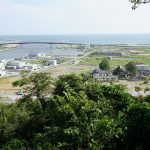
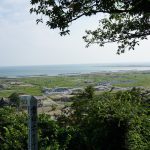
When we got back to Ishinomaki, we climbed Hiyoriyama, a hill which proved to be a life saver for residents fleeing the tsunami waves. The photos show how the area below the hill used to look, and how it looks now. The cemeteries are all new, and the rest of the area is gradually being landscaped to become a park. You can see the street layout clearly, but it’s still hard to imagine the sea wiping out that many homes so quickly.
-
- Info panel 1
-
- Info panel 2
-
- How things used to look
-
- How it looks now – cemetery far right
-
- How it looks now – cemeteries in middle of image
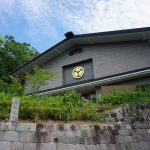
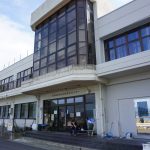
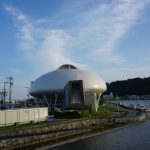
We finished our trip at the Mangattan museum. The building was damaged by the tsunami, but formed a rallying point for rebuilding – the structure was intact even though inundated by silt and mud. The discovery of an intact Kamen Rider statue in the city was held up as an emblem of hope for the locals.
-
- Mangattan Museum
-
- Mangattan Museum
-
- Cyborg 003
-
- Kamen RIder
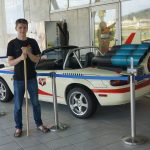
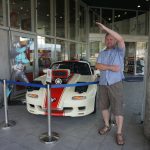
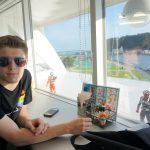
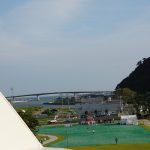
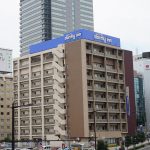
Train back to Sendai and a night at the Hotel Dormy Inn Ekamae. Found a great dinner (edamame (soy beans), gyoza (pork/cabbage dumplings), ramen (noodle soup)) in little restaurant off of shopping centre. Sendai feels like a very laid back city.
-
- Dormy Inn Sendai
-
- Mmmmm…

-
- Mmmmm….